

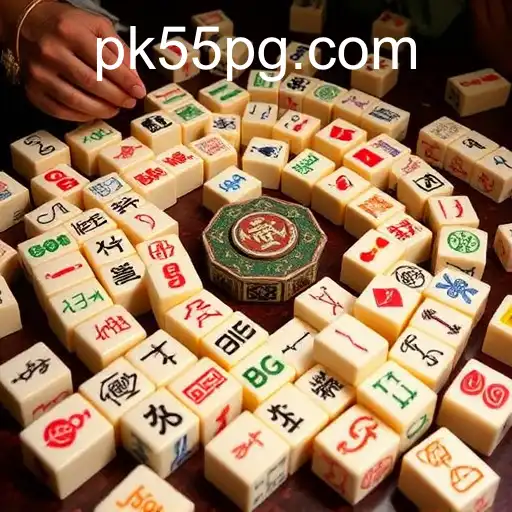
The Fascinating World of Mahjong
Mahjong, a game that has captured the hearts and minds of players across the world, is a captivating blend of strategy, skill, and chance. Its origins are often shrouded in mystery, but its allure remains undeniable. This article delves into the rich history, cultural significance, and gameplay that continue to make Mahjong a beloved pastime today.
Origins of Mahjong
CKC BETThe origins of Mahjong are often contested among historians. Some believe it was developed in China during the Qing dynasty, while others suggest its roots may lie further back in history. The game is said to have evolved from earlier card games and Chinese dominoes, merging into the game form known today. Although the exact origin timeline is unclear, Mahjong's historical journey remains an intriguing topic for enthusiasts and researchers alike.
The Cultural Significance of Mahjong
Throughout its history, Mahjong has been more than just a game. It holds a significant place in Chinese culture and has been a symbol of social gatherings and cultural identity. Mahjong is often played during important events and festivals, such as the Chinese New Year, serving as a means to bring family and friends together. The game facilitates conversation, fostering bonds and understanding among players.BET27.games
The Components and Structure of Mahjong
A typical Mahjong set includes 144 tiles, although variations exist based on regional preferences. The tiles are categorized into suits and honor tiles, with players seeking to assemble specific combinations, known as "melds." Understanding these components is crucial for players who wish to master the game and enhance their strategic capabilities.
e77Basic Rules and Gameplay
Mahjong is generally played by four players, each striving to create a winning hand from a starting hand of tiles. Gameplay progresses through several rounds with players drawing and discarding tiles in pursuit of the coveted winning combination. The PK55 strategy, recognized for its proficiency in maximizing winning potential, is a popular choice among seasoned players. While mastering the PK55 strategy requires practice, it allows players to adapt dynamically to opponents’ moves, increasing their chances of victory.
Strategies for Winning Mahjong
Successful Mahjong players often employ a range of strategies to maintain a competitive edge. Beyond PK55, players explore other strategies, such as defensive play - protecting against potential advances by opponents, or offensive strategies, where players aggressively pursue high-scoring hands. The choice of strategy depends on the player’s style, the opponents, and the progression of the game. Explore these strategies further on our homepage.
Variations of Mahjong
bet200 casinoMahjong has several variations, each offering unique twists on the traditional rules. Some of the most popular versions include Cantonese Mahjong, Japanese Mahjong, and American Mahjong, each with their own distinct rules and strategies. These variations highlight Mahjong's adaptability and its evolution as it integrates into various global cultures.
Mahjong in the Modern World
Mahjong has seamlessly integrated into the modern digital landscape, with numerous online platforms and mobile applications bringing the game to a new generation of players. Digital versions of Mahjong enable players from around the world to connect and compete, transcending geographical barriers. This global reach has contributed to the game's growing popularity and ensures its place in the cultural and recreational fabric of societies worldwide.
Conclusion
While the future of Mahjong continues to unfold, its timeless appeal endures. Whether played in its traditional form or as a digital diversion, Mahjong offers an engaging and richly rewarding experience for players of all ages. As various strategies—like the well-regarded PK55—are explored and employed, Mahjong remains a game where psychology, tactics, and luck intersect, ensuring its status as an exciting, beloved game for generations to come.BETUFC